Best Downtown Dubai Holiday Homes Investment 2026
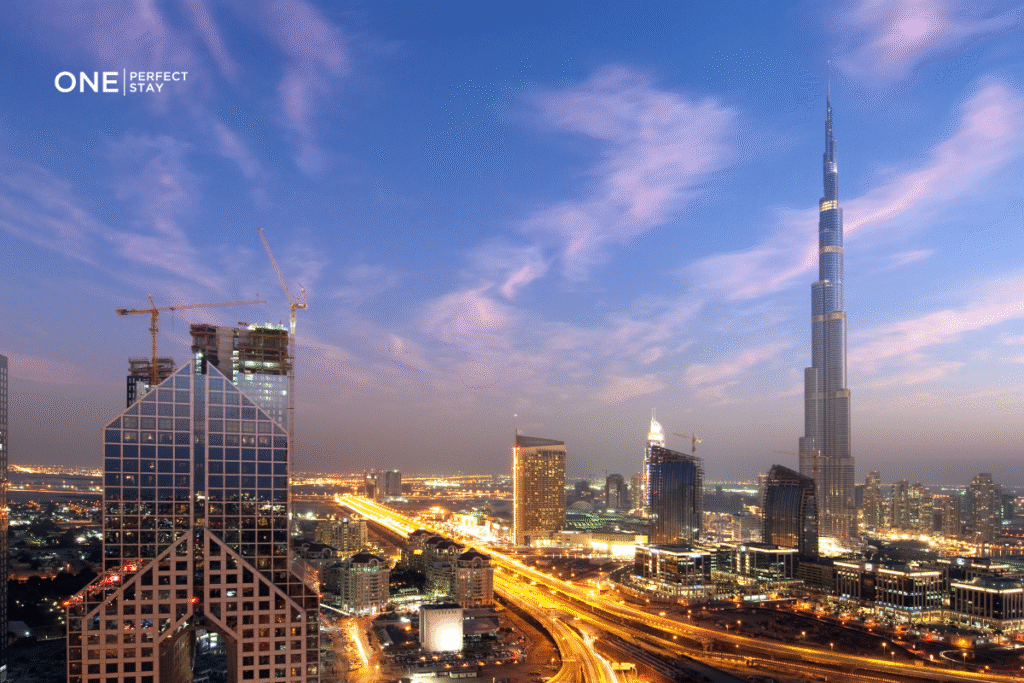
If Dubai is the undisputed crown jewel of the Middle East, then Downtown Dubai is the brilliant diamond at its very center. As we move deeper into 2026, this neighborhood, often dubbed “The Centre of Now”, has evolved beyond a mere tourist hub into one of the most sophisticated, high-stakes real estate markets on the planet. For investors and global property owners, the conversation has definitively shifted. It is no longer just about acquiring square footage in a rising market; it is about how to maximize that asset in an economy that increasingly rewards flexibility, luxury, and experiential living.
The meteoric rise of holiday homes in Downtown Dubai has revolutionized the way investors calculate yields and visualize returns. The static, safe returns of traditional long-term leasing are increasingly being outperformed by the dynamic, high-octane world of short-term rentals. With the city welcoming record-breaking tourist numbers, projected to surpass 22 million visitors this year, and the “bleisure” sector booming, owning a holiday home here is akin to owning a micro-hotel in the world’s most visited neighborhood. In this comprehensive guide, we move beyond the surface-level brochures to dive deep into the data, the lifestyle shifts, and the specific strategies that make Downtown Dubai the premier destination for short-term rental investment in 2026.
The Unmatched Appeal of Downtown Dubai
To understand why Downtown Dubai commands the highest price per square foot and the most consistent occupancy rates in the city, one must look at its unreplicable infrastructure. Unlike other master communities that rely on a single attraction, Downtown is an interconnected ecosystem of world records. It is a vertical city designed to capture the imagination and the wallet of every visitor who lands at DXB. The magnet is undeniable: The Burj Khalifa is not merely a landmark; it is an anchor for valuation that stabilizes the entire precinct. Coupled with The Dubai Mall, which now hosts over 100 million annual visitors, the area ensures a constant, recession-resistant footfall of high-net-worth shoppers and tourists.
For a holiday home owner, this unique ecosystem means your “low season” is significantly shorter and shallower than in other areas. While beach-centric locations like Palm Jumeirah or JBR may see a dip in demand when the summer humidity peaks, Downtown Dubai remains vibrant year-round thanks to its immense indoor infrastructure of connected luxury malls, climate-controlled metro links, and corporate hubs. Furthermore, the district boasts a unique “walkability” factor that is rare in the region. In a city originally designed for cars, Sheikh Mohammed Bin Rashid Boulevard offers a European-style café culture that is highly coveted by international travelers. Guests staying in holiday homes here often pay a premium for the luxury of not needing a rental car, preferring to walk to the fountains, the opera, or fine dining establishments. This convenience factor translates directly into higher Average Daily Rates (ADR) for well-located properties, as guests are essentially paying for the privilege of proximity.
The Financial Case: Short-Term vs. Long-Term Rentals
The primary question for any investor is simple: “Where is the money?” In 2026, the data creates a compelling, almost undeniable case for the short-term rental model over the traditional long-term lease. Traditional long-term rentals in Downtown Dubai typically offer a gross yield of roughly 5.5% to 6.5%. While stable, this model caps your earning potential significantly. The RERA (Real Estate Regulatory Agency) rental index strictly limits how much a landlord can increase rent annually, meaning you cannot fully capitalize on sudden market surges or spikes in demand. You are effectively locking your asset’s potential behind a yearly contract.
Analyzing the ROI Gap
In contrast, holiday homes operate in a dynamic market that rewards agility. Professionally managed holiday homes in Downtown Dubai are currently generating net yields of between 8% and 10%, with exceptional, high-floor units pushing even higher. This difference is largely driven by what industry insiders call the “Event Multiplier.” During peak periods like New Year’s Eve, the Dubai Shopping Festival, or major conventions at the World Trade Centre, nightly rates do not just rise, they skyrocket, often spiking by 300% to 500%. A long-term tenant pays the same rent in December as they do in August, whereas a holiday home guest pays premium market rates when demand is highest. This ability to price dynamically ensures that owners capture the full economic value of their asset during these critical high-demand windows.
The “Burj View” Premium
When analyzing listing performance, one metric stands out above all others: the view is currency. Data from 2025 listings reveals that properties with a full, unobstructed view of the Burj Khalifa and the Dubai Fountains command an ADR that is 30% to 40% higher than identical units in the same building that face the Business Bay canal or Sheikh Zayed Road. For investors, this suggests that the initial higher capital outlay for a “view unit” is paid back rapidly through significantly higher rental income. Furthermore, managed assets in Downtown are defying the myth of the “empty summer.” Top-tier management companies are reporting average annual occupancy rates of roughly 82% to 88% for Downtown inventory, proving that demand is resilient even outside the traditional winter peak.
2026 Trends: Who is Renting Your Apartment?
Understanding your customer is key to styling and marketing your property effectively. The demographic of the Downtown guest has shifted, and savvy owners are adapting their interiors to match. The most significant trend in 2026 is the rise of the “Bleisure” traveler. The post-pandemic world created a new class of guest: the digital nomad and the corporate executive who extends their business trip for leisure. These guests are the “Holy Grail” for landlords because they stay longer, typically two weeks to two months, and treat the property with care. To attract this demographic, a property must offer more than just a bed; high-speed internet, a dedicated and ergonomic workspace, and premium coffee machines are now baseline requirements rather than perks.
Consequently, we are seeing a notable increase in bookings for mid-term stays, bridging the gap between holiday lets and yearly leases. Additionally, we are witnessing the emergence of medical tourism as a driver for Downtown rentals. With Dubai aiming to attract 500,000 medical tourists annually, many patients visiting for cosmetic, dental, or dermatological procedures prefer the privacy and comfort of a luxury apartment in Downtown over a hospital hotel. These guests are quiet, respectful, and willing to pay a premium for hygiene and proximity to top clinics. Finally, during the summer and major Islamic holidays, Downtown Dubai becomes the playground for families from the GCC region. These guests prioritize privacy and large square footage, meaning that two and three-bedroom apartments that are “family-ready” often see higher occupancy during regional holidays compared to smaller bachelor pads.
Design & Interiors: The “Beige” Revolution
If the guest profile is changing, then the aesthetic requirements must follow suit. In 2026, the era of flashy, over-the-top “bling” interiors is fading. It is being replaced by a sophisticated, grounded aesthetic that designers are calling “The Beige Revolution.” High-net-worth guests are seeking sanctuaries that feel calm, composed, and connected to the local landscape. The trending palette for 2026 features warm sand tones, dune-inspired beiges, muted olives, and soft terracotta. This is not about being boring; it is about creating a “quiet luxury” environment that feels expensive yet livable.
Investors should take note that “Instagrammability” still matters, but it has evolved. Guests are no longer looking for neon signs and gold velvet sofas. Instead, they are photographing corners of the home that feature natural stone, solid wood joinery, and artisanal craftsmanship. Materials that grow more beautiful with time, such as travertine floors and lime plaster walls, are becoming central to the most successful listings. A property furnished with organic textures and high-quality, durable materials will not only photograph better but will also withstand the wear and tear of guest turnover far better than cheap, glossy finishes. Investing in a professional interior fit-out that aligns with these 2026 trends is one of the highest ROI decisions a landlord can make.
Top Performing Buildings for Holiday Homes
Not all buildings in Downtown are created equal. When scouting for an investment property intended for the short-term market, specific developments consistently outperform others in guest ratings and revenue. The Address Residences, including Fountain Views, Sky View, and Downtown, remain the undisputed gold standard. Because they are attached to 5-star hotels, guests perceive them as part of the hotel inventory, allowing owners to charge a premium for the brand association and direct mall access. The seamless experience of valet parking and room service elevates these units into a different asset class entirely.
However, for investors seeking a lower entry price with excellent returns, buildings like Burj Vista and The Lofts offer incredible value. Burj Vista provides direct, air-conditioned metro access, a feature that European and Asian travelers value highly during the warmer months. Meanwhile, The Lofts offer a trendy, urban vibe that appeals to younger couples and solo travelers who want to be in the thick of the action on the Boulevard. Even older developments like The Residences remain competitive due to their prime location on the promenade, provided the interiors have been modernized and renovated to meet 2026 standards. The key takeaway for investors is that proximity to the Burj Khalifa and the Dubai Mall is the single most important factor driving occupancy; guests will forgive a smaller square footage, but they will not forgive a bad location.
The Role of Professional Management
While the revenue potential is high, the operational complexity of managing a short-term rental in Downtown Dubai should not be underestimated. This is where the distinction between a passive investment and a full-time job becomes clear. Managing a luxury property involves far more than just handing over keys. It requires dynamic pricing adjustments multiple times a day to match demand, rigorous guest vetting to protect the asset, and 24/7 maintenance support to ensure 5-star reviews. A single negative review about a broken air conditioner or a dirty bathroom can cost an owner thousands of dollars in lost future bookings.
Why DIY Management Often Fails
Many owners attempt to self-manage to save on commission fees, only to find their occupancy dropping and their property suffering from wear and tear. A professional management company like One Perfect Stay uses sophisticated algorithms to predict demand surges, ensuring your property is priced correctly for every single night of the year. Furthermore, they handle the complex regulatory landscape, from DET (Department of Economy and Tourism) licensing to the collection and remittance of Tourism Dirham fees. This ensures that your investment remains compliant and profitable without requiring your constant attention. In a competitive market like Downtown, the difference between a “good” listing and a “Superhost” listing is often the quality of the management team behind it, the invisible hands that ensure crisp linens, functioning amenities, and seamless check-ins.
Conclusion: The Future of Downtown Investing
As we look toward the future, the trajectory for Downtown Dubai holiday homes remains incredibly positive. The city’s strategic vision to double its economy over the next decade places tourism and real estate at its core. For the investor, this means that the demand for high-quality, short-term accommodation in the city center will only continue to grow. The convergence of business, leisure, and medical tourism ensures a diversified tenant base that protects against market volatility.
However, success in this market is not guaranteed by location alone. It requires a strategic approach that combines the right asset selection with professional, data-driven management and a keen eye for interior design trends. By understanding the nuances of the Downtown market, from the “view premium” to the needs of the bleisure traveler, investors can unlock a level of profitability that traditional real estate models simply cannot match. If you own a property in Downtown Dubai, now is the time to transition it from a dormant asset into a high-performing holiday home. The demand is there, the infrastructure is world-class, and the returns are waiting for those ready to seize the opportunity.